

Precision Electronics Pliers 3 Essential Tools
Price range: $0.77 through $0.83
Precision electronics pliers for gripping, bending and clean wire trimming. Three versatile designs help with PCB assembly, repairs, DIY projects and tight spaces.
Combine shipping available. Message us for shipping rates.
- Quality Assurance
- Fast Worldwide Shipping
- Buy with Confidence
Description
Precision Electronics Pliers – 3 Essential Tools
Precision Electronics Pliers for Assembly and Repair
Our precision electronics pliers are designed for detailed work where standard-size hand tools can be difficult to control. The compact designs provide better access around small components, wires, connectors, and PCB assemblies.
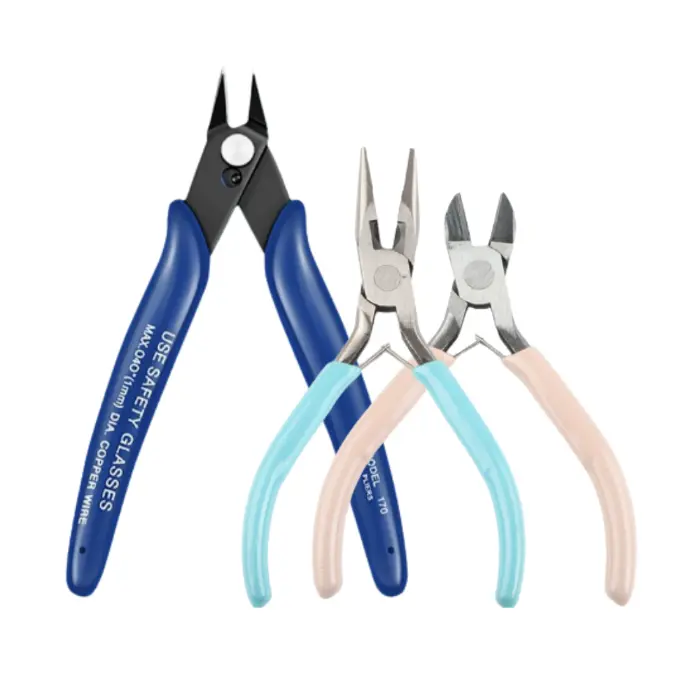
This product page brings together three practical tool options for electronics work: precision long-nose pliers for gripping and positioning, precision cutters for trimming wires, and micro flush cutters for clean cutting in confined areas.
With slim profiles and spring-assisted operation, these tools are suitable for electronics assembly, PCB repair, prototyping, DIY electronics, model building, and general bench work.
Three Practical Tools for Electronics Work
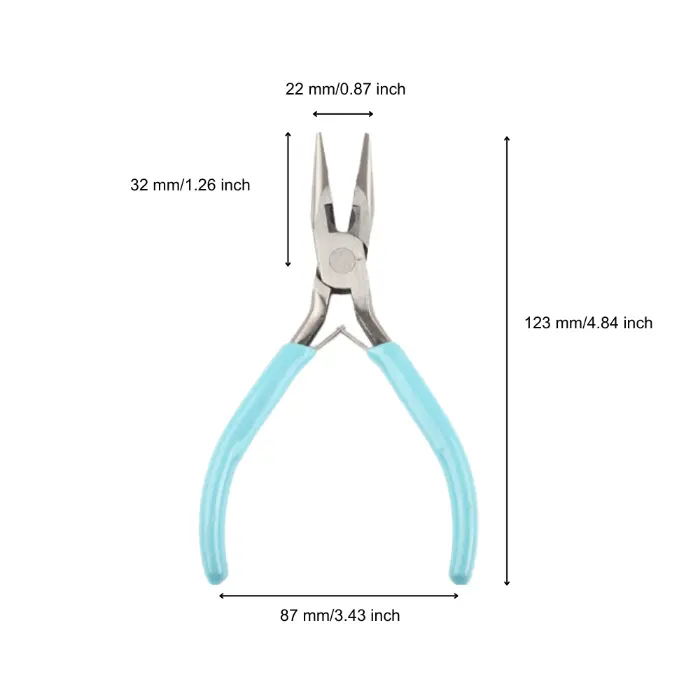
Electronics Needle Nose Pliers
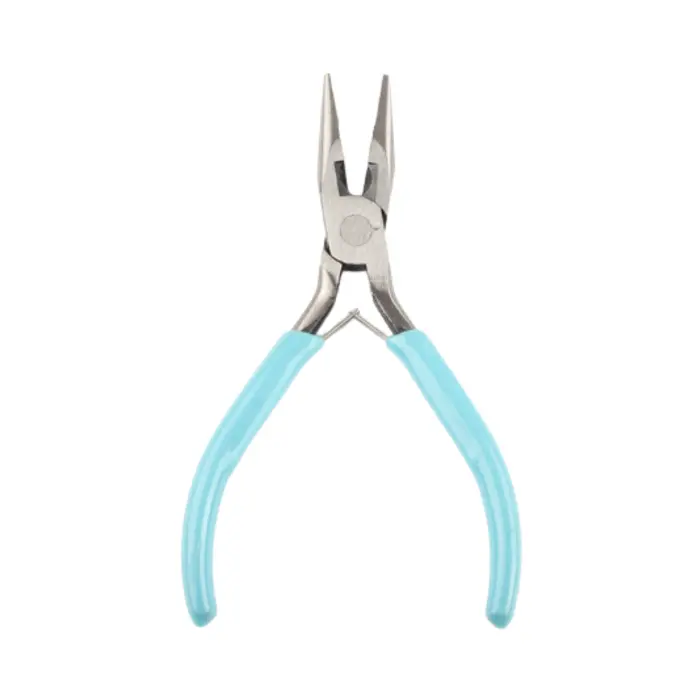
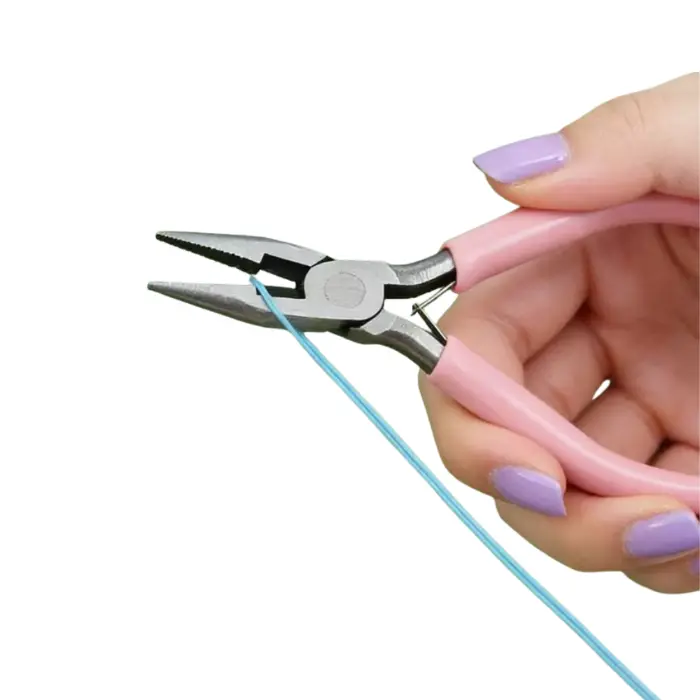
The slim electronics needle nose pliers are designed for gripping, positioning, bending, and manipulating small components and wires.
The narrow jaws can reach into areas where conventional pliers may be difficult to position. This makes them useful when working around PCB components, connector pins, small terminals, wires, and other compact assemblies.
They can also be used to hold a small component while soldering, form wire leads, bend terminals, or position parts during assembly.
The spring-assisted opening helps the jaws return to the open position after each operation, making repetitive bench work more comfortable.
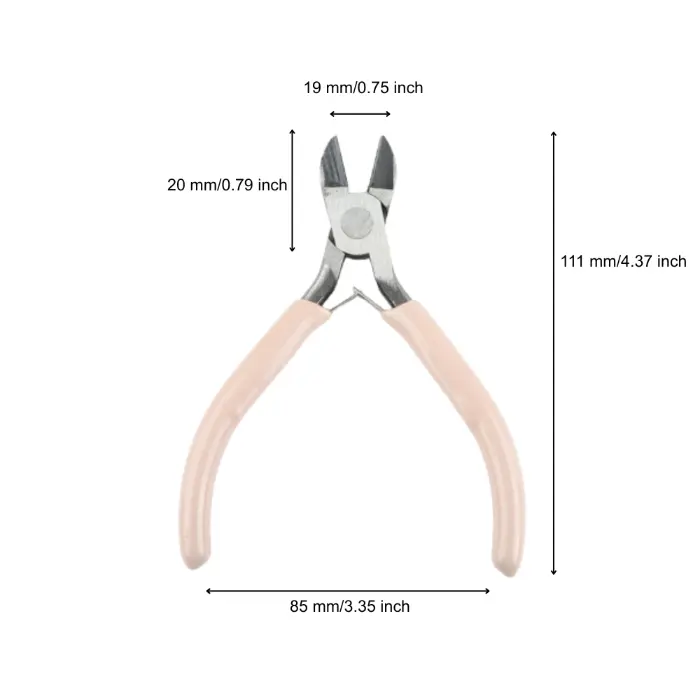
Flush Cutters for Electronics
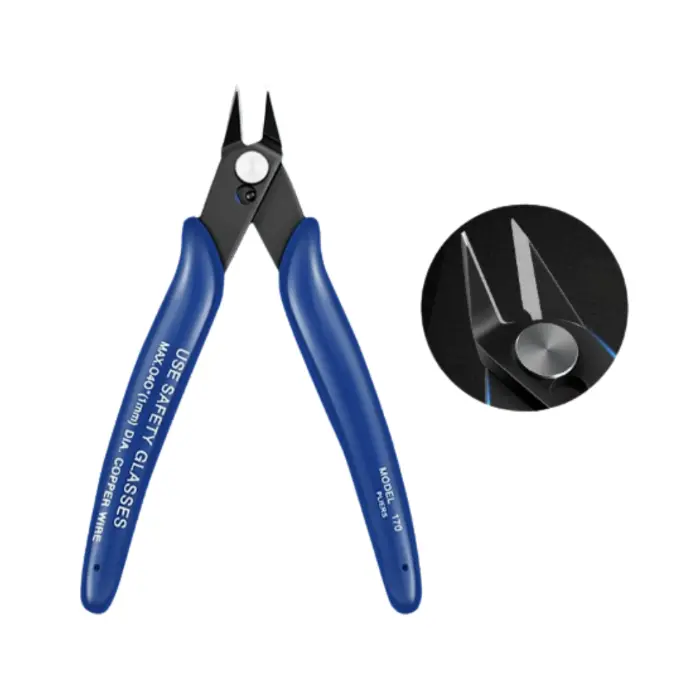
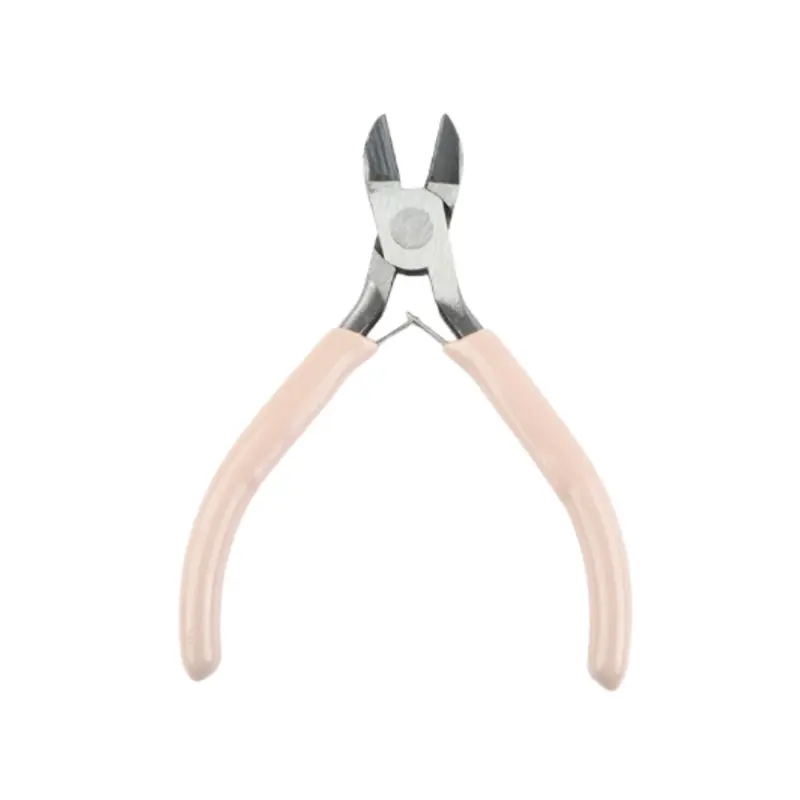
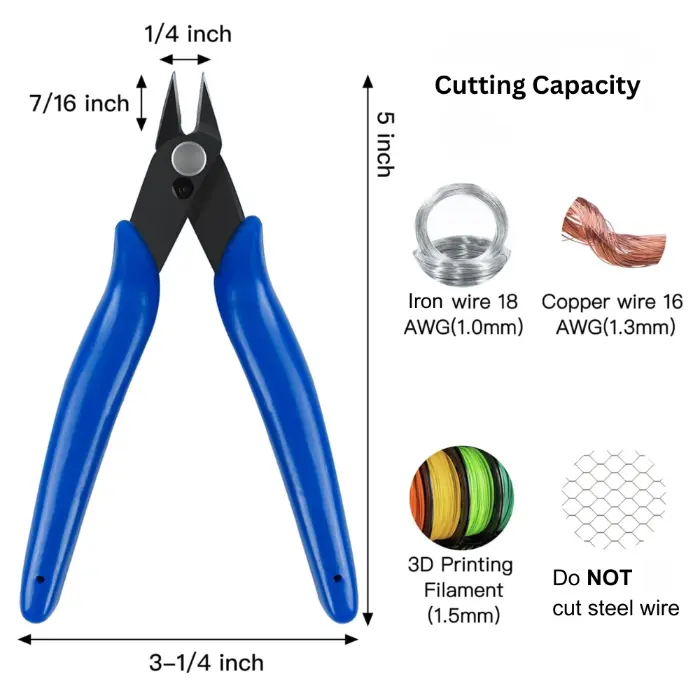
The cutting variants are designed as flush cutters for electronics, allowing users to trim excess wire, component leads, and other suitable soft materials close to the work surface.
A compact cutting head provides access to tight areas around electronic components. This is especially useful when trimming through-hole component leads after soldering or preparing wires during assembly.
The cutting edge should only be used within its rated capacity. These precision cutters are intended for suitable soft wire and component leads rather than hardened steel or oversized wire.
Micro Wire Cutters for Small Components
The micro wire cutters provide a compact solution for detailed trimming work.
Their small cutting head makes them practical for:
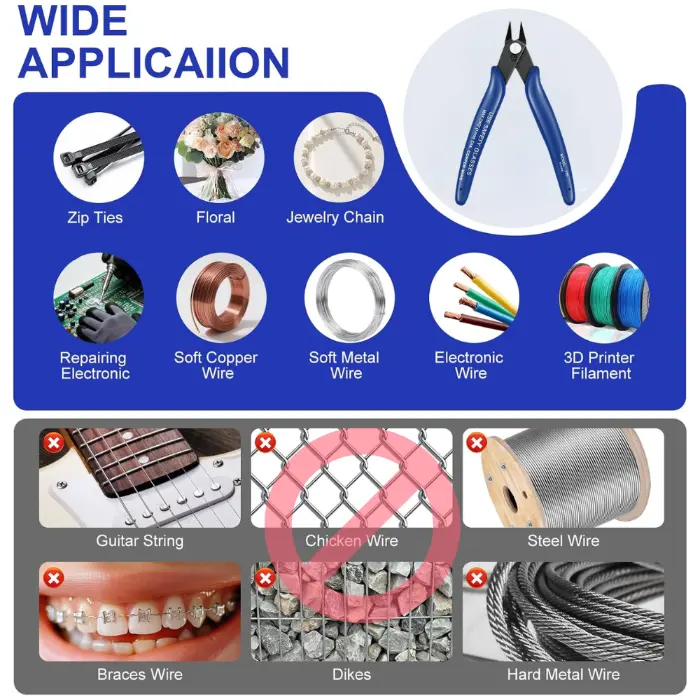
- Electronic component leads
- Soft copper wire
- Small wires
- Connector wires
- PCB trimming
- DIY electronics
- Model and hobby work
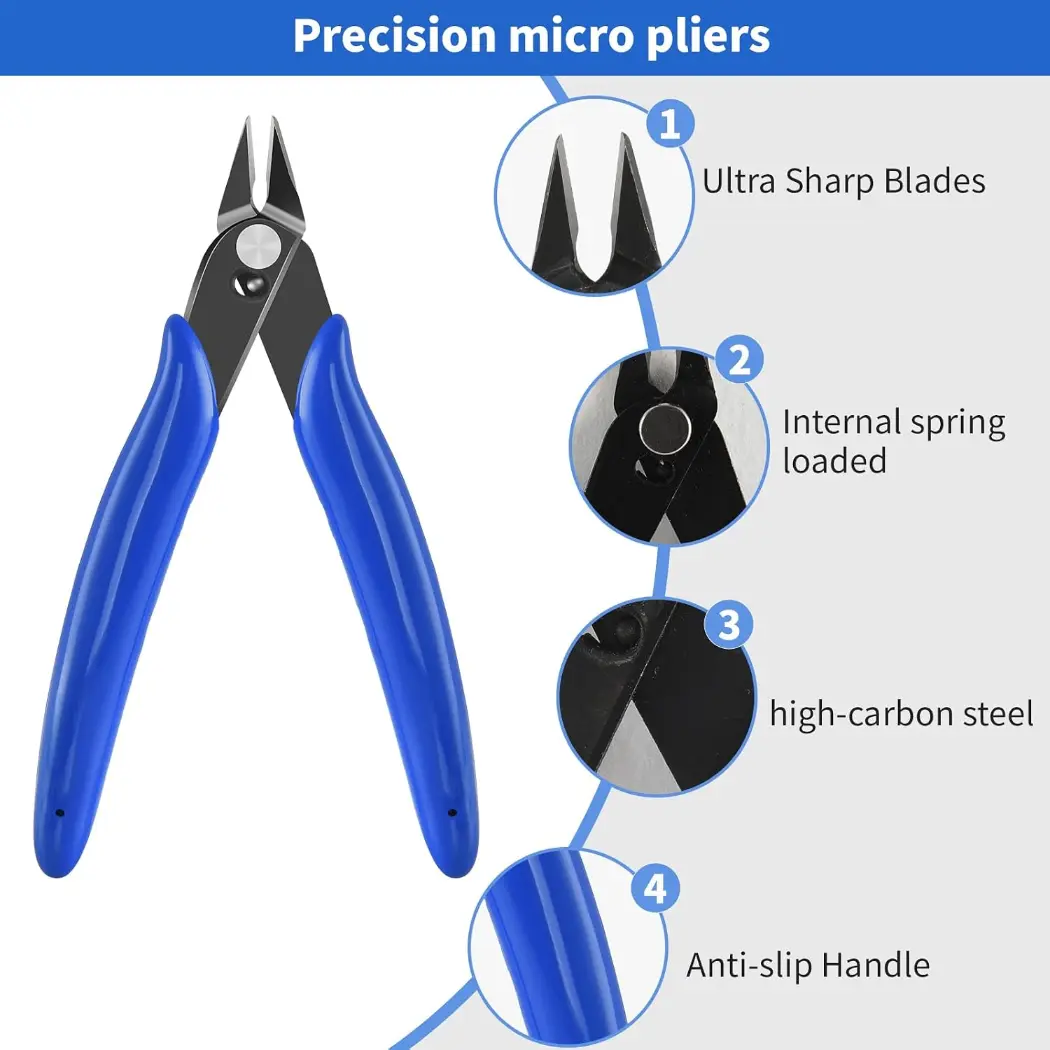
The spring action automatically reopens the handles after cutting, helping reduce repetitive hand movement during longer repair or assembly sessions.
Designed for Tight Spaces
Precision Pliers for Electronics Repair
One of the main advantages of compact tools is accessibility.
When repairing a PCB or assembling a small electronic module, components are often positioned close together. A large pair of general-purpose pliers can obstruct visibility or make it difficult to reach the target.
These precision electronics pliers are designed for exactly these situations.
The slim profiles allow you to work around:
- PCB components
- Pin headers
- Terminal blocks
- Small connectors
- Sensor modules
- Wires
- Component leads
- Tight electronic assemblies
Small Pliers for Tight Spaces
The narrow jaws and compact cutting heads are particularly useful for small pliers for tight spaces.
For example, you can use the long-nose option to hold a wire while soldering, position a connector terminal, or bend a component lead. After soldering, the cutter can be used to trim the excess lead.
This makes the tools useful as part of a compact electronics repair kit rather than as standalone specialty tools.
Useful for PCB Assembly and DIY Electronics
Needle Nose Pliers for PCB Assembly
During PCB assembly, small components often need to be positioned before soldering.
The fine nose provides controlled access for holding and positioning wires, terminals, and small components without requiring a large tool.
They can also be useful for bending component leads before insertion into through-hole PCBs.
Flush Cutters for PCB Work
After soldering through-hole components, excess leads can be trimmed close to the solder joint using suitable flush cutters.
The compact cutting head makes it easier to reach individual leads without unnecessarily disturbing neighboring components.
Always support the workpiece securely and wear appropriate eye protection when cutting wire or component leads.
Comfortable Spring-Assisted Operation
The integrated spring mechanism helps return the handles after each use.
This is particularly useful during repetitive work such as:
- Trimming multiple component leads
- Cutting small wires
- Preparing cable ends
- Bending multiple component leads
- Sorting and assembling small electronic parts
The ergonomic handles provide a comfortable gripping surface for routine bench work.
Three Tool Options, One Electronics Workflow
These three tools complement one another during electronics assembly and repair.
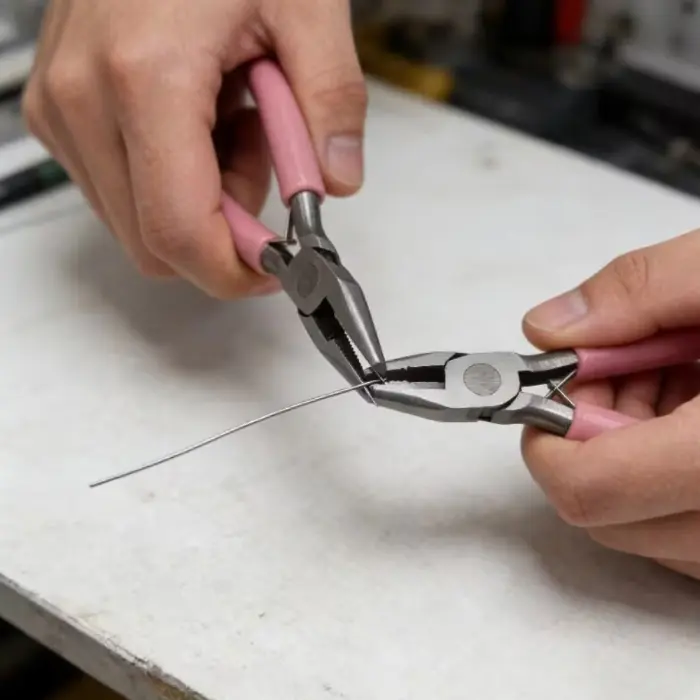
Grip → Bend → Cut
Use the precision nose pliers to hold or position a component, bend the lead or wire into the required position, and then use the appropriate cutter to trim excess material.
This simple workflow is useful for PCB assembly, wire preparation, connector work, prototyping, and DIY electronics projects.
Precision Pliers for Wire Trimming and Bending
For makers and electronics technicians, having dedicated tools for different operations can provide better control than using one general-purpose pair of pliers for everything.
The long-nose design is intended for manipulation and positioning, while the cutting designs are intended for trimming suitable wire and component leads.
This makes the product suitable for electronics workbenches, maker spaces, repair stations, classrooms, and home DIY setups.
Applications
These precision electronics pliers are suitable for:
- PCB assembly
- Electronics repair
- DIY electronics
- Arduino projects
- Sensor module assembly
- Wire preparation
- Connector assembly
- Component lead trimming
- Prototyping
- Model electronics
- Hobby projects
- Small-scale repair work
They can also be used for jewelry, model making, and other fine-detail applications, but the product page is primarily positioned for electronics users.
Product Specifications
| Specification | Details |
|---|---|
| Product Type | Precision Electronics Pliers |
| Tool Options | Long-Nose Pliers / Flush Cutters / Micro Wire Cutters |
| Application | Electronics assembly and repair |
| Suitable Work | Wire, component leads and small parts |
| Operation | Spring-assisted |
| Handle | Ergonomic coated handle |
| Application Areas | PCB, DIY electronics, prototyping, repair |
| Cutting Use | Suitable soft wire and component leads within rated capacity |
Why Choose These Precision Electronics Pliers?
A good electronics hand tool should give you control without taking up unnecessary space on the workbench.
These compact tools are designed around three common tasks:
gripping and positioning, bending, and trimming.
The slim profiles make them useful around small electronic components, while the spring-assisted mechanism supports repeated operation.
Whether you are assembling a PCB, repairing a connector, trimming component leads, or building a DIY electronics project, the right compact plier can make detailed work easier to control.
For a compact electronics workstation, these tools pair naturally with soldering equipment, wire, cutters, tweezers, and other PCB assembly accessories.
⭐⭐⭐⭐⭐
You May Also Need
Complete your electronics workbench with our stainless steel solder wire.
FAQ
Q1: What are precision electronics pliers used for?
A: Precision electronics pliers are designed for detailed work such as gripping, positioning, bending wires, trimming component leads, and working around small PCB components. Their compact profiles provide better access in confined areas than standard general-purpose pliers.
Q2: Can these pliers be used for PCB assembly and repair?
A: Yes. The long-nose option is suitable for positioning and bending small wires or component leads, while the flush-cutting options can be used to trim suitable wires and component leads after assembly. Always use each tool within its intended capacity.
Q3: Can the flush cutters cut steel wire or hard wire?
A: No. These compact precision cutters are intended for suitable soft wire and electronic component leads. Do not use them on hardened steel, oversized wire, or materials beyond the specified cutting capacity, as this may damage the cutting edges.
Additional information
| Precision Electronics Pliers | Micro Flush Cutters, Precision Flush Cutters, Precision Long-Nose Pliers |
|---|
Only logged in customers who have purchased this product may leave a review.
Related products
-
-
-
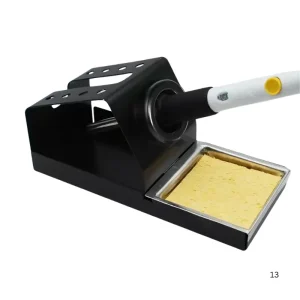
936 Soldering Iron Stand Safe, Sturdy & Compact
Price range: $1.19 through $1.49Select options This product has multiple variants. The options may be chosen on the product page -
Reviews
There are no reviews yet.